When to Visit an Emergency Dentist for a Dental Crown Problem
A dental crown is supposed to make life easier. It restores shape, protects a weakened tooth, and lets you chew without thinking about every bite. Most of the time, once a crown is cemented into place, patients forget it is even there. Then something shifts. A crown loosens during dinner, a sharp edge appears overnight, or pain starts under a tooth that had been quiet for years. At that point, the question is not whether something is wrong. It is whether the problem can wait for a routine dental visit, or whether you need an Emergency Dentist.
That distinction matters more than many people realize. Some crown issues are inconvenient but stable. Others can expose the tooth underneath, trap bacteria, or signal infection, fracture, or nerve irritation. A delay of a day or two may not change much in one case and may complicate treatment in another. Knowing the difference can save a tooth, reduce pain, and sometimes prevent a simple repair from becoming a root canal or extraction.
Why crown problems can become urgent
Crowns fail for more than one reason. Cement can wash out over time. Decay can develop at the margin where the crown meets the tooth. The underlying tooth can crack. Grinding and clenching can weaken the porcelain or metal. Even a sticky caramel or a crusty piece of bread can pop off a crown that was already compromised.
The crown itself is only part of the picture. What often determines urgency is the condition of the tooth underneath. If the crown comes off but the tooth remains intact and painless, that is different from a crown that comes off and reveals a dark, soft, sensitive tooth with a bad odor. A chipped porcelain crown with no pain is one thing. A crowned tooth that suddenly hurts when you bite down may be telling you there is a crack in the root, inflammation around the ligament, or infection at the tip of the root.
In practice, dentists often see patients who waited because they assumed the crown was just “old” or “loose.” Sometimes that is true. Sometimes the looseness was the first sign that decay had eaten away the tooth structure holding the crown in place. A crown cannot function if the foundation beneath it is failing.
The crown problems that deserve same-day or next-day care
Not every crown issue requires a midnight phone call, but some clearly justify urgent attention from an Emergency Dentist. The following situations are the ones that usually move to the top of the schedule in a dental office:
- Significant pain, especially throbbing pain, pain that wakes you at night, or pain with swelling
- A crown that has come off and left the tooth cracked, bleeding, or extremely sensitive
- Swelling of the gum, face, or jaw near the crowned tooth
- Trouble biting because the crown shifted, fractured, or now sits too high
- Signs of infection such as pus, a foul taste, fever, or swollen glands
Those red flags matter because they point to more than a simple recement. Swelling suggests infection. Sharp pain on biting may indicate a fracture. A crown that suddenly feels high can mean the tooth moved, the crown cracked, or inflammation changed how you are closing your teeth together. If you ignore that and keep chewing on it, you can make a repairable problem much worse.
One common scenario is the patient who says, “The crown just fell off, but it did not hurt at first.” Then by the next evening, cold air triggers a zinging sensitivity, and by the second day the exposed tooth is tender to pressure. Once dentin is exposed, bacteria and temperature changes can irritate the pulp quickly, especially if the crown had been leaking around the edges for some time.
When it may be urgent, even if the pain is mild
People often judge urgency only by how much something hurts. That can be misleading. A loose crown with very little pain can still require prompt treatment. If the crown remains mobile while you chew, it can act like a lever and damage the tooth underneath. If the crown comes off and you leave the exposed tooth unprotected, the tooth can drift slightly or the neighboring teeth can shift enough to make recementation difficult. That is not likely to happen in a few hours, but over days or a week it becomes more likely, especially if the crown came off a back molar that absorbs heavy biting force.
Another situation that deserves quick attention is a crown on a front tooth. The urgency there is not always medical. Sometimes it is functional and social. A dislodged front crown affects speech, appearance, and confidence right away. While that may not be life-threatening, it is still a legitimate dental emergency for many patients, particularly if the underlying tooth has a post or sharp edges that can injure the lip.
There is also the issue of aspiration or swallowing. Small crowns can slip unexpectedly, especially if they loosen while eating. If a crown is wobbling significantly, it is safer to have it addressed promptly rather than hope it stays put until next week.
Signs the problem can probably wait a short time
Some crown problems are uncomfortable rather than truly urgent. A small chip in porcelain that has not changed your bite and is not cutting your tongue may be able to wait for a regular appointment within several days. Mild temperature sensitivity around a crown without spontaneous pain can also fall into the “soon, but not necessarily tonight” category. So can a crown that feels rough at the edge but remains firmly attached and comfortable to chew on.
Even then, waiting too long is a mistake. Crown issues rarely improve on their own. Small chips grow. Margins that feel rough may be collecting plaque or exposing cement. A minor nuisance often becomes a more involved repair if it is ignored for a month or two.
A good rule from day-to-day clinical experience is simple: if you can eat, sleep, and function normally, you may not need immediate after-hours care, but you still need a timely dental evaluation. If pain, swelling, or instability is changing how you eat or sleep, move it into the urgent category.
What an Emergency Dentist is looking for
When patients call about a crown problem, the dentist or triage staff is trying to sort through a few practical questions. Is the crown itself salvageable? Is the tooth structurally sound? Is there infection? Has the bite changed? Is there risk of further damage if the patient waits?
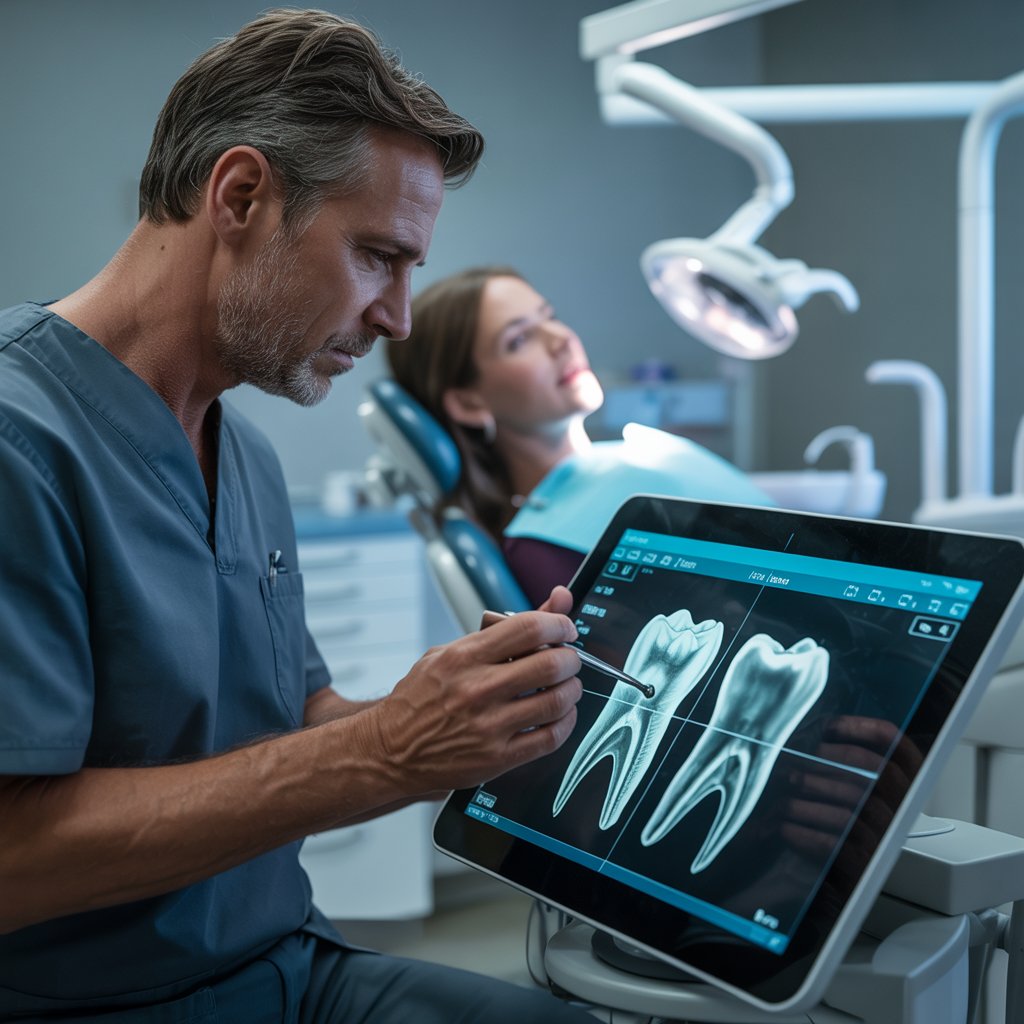
A crown that comes off cleanly in one piece is the best-case scenario, but even then the tooth underneath may tell a different story. If the remaining tooth structure is healthy and the crown still fits precisely, recementation may be possible. If decay has hollowed out the tooth, there may not be enough tooth left to hold the crown securely again. In that case, the emergency visit may involve temporary protection, x-rays, and a conversation about whether the tooth needs buildup, root canal treatment, a new crown, or in some cases extraction.
A fractured crown can also range from straightforward to complicated. A small porcelain chip may be polished or repaired. A crown split down the middle usually needs replacement. If the fracture extends into the tooth, the conversation changes entirely.
Patients are sometimes surprised that the crown is not always the main problem. It is just the visible part. The emergency is often beneath it.
Pain under a crown, what it often means
Pain under a crown is one of the more confusing symptoms because people assume the crown itself should have prevented trouble. In reality, a crown protects a tooth, but it does not make the tooth immune to decay, bite stress, gum disease, or nerve inflammation.
Cold sensitivity may mean exposed root surface, cement washout, early decay at the margin, or recession around the crowned tooth. Heat sensitivity, lingering sensitivity, or spontaneous aching raises more concern for pulpal inflammation, especially if the pain lasts after the stimulus is gone. Sharp pain when biting can point to a cracked tooth, a high bite, or inflammation of the ligament around the root. A dull, throbbing pain with swelling often signals infection.
An older crown deserves special scrutiny. Many crowns last ten to fifteen years or longer, but the age of the crown matters less than the quality of the fit and the condition of the tooth underneath. A ten-year-old crown can be excellent. A three-year-old crown can fail if decay develops at the margin or if the patient clenches heavily at night.
If the crown fell off, what to do before you are seen
There is a narrow window between a crown coming off and the dental visit where patients can help themselves avoid additional damage. This is one of the few situations where a short, practical checklist truly helps:
- Save the crown and bring it with you, even if it looks damaged
- Rinse your mouth gently with warm water and keep the area clean
- Avoid chewing on that side, especially hard, sticky, or very hot and cold foods
- If the tooth is sharp, cover it temporarily with dental wax or temporary dental cement from a pharmacy, but do not use household glue
- Call a dentist promptly and describe pain, swelling, and whether the crown came off intact
The warning about glue is worth repeating because it comes up often. Super glue, craft adhesive, and similar products can irritate oral tissues and interfere with proper dental bonding. Temporary dental cement sold for lost fillings or crowns is designed for Emergency Dentist short-term use, but it is still only a stopgap. It does not replace professional cleaning, fit assessment, or proper cementation.
If the crown still seats naturally and you are not in pain, some dentists may advise using temporary cement just to protect the tooth until the appointment. That advice depends on the situation. If the crown does not fit easily, do not force it. A poorly seated crown can Emergency Dentist distort the bite or crack the remaining tooth structure.
Swelling changes the picture
Swelling around a crowned tooth is one of the clearest signals that you should not sit on the problem. It may be gum inflammation from trapped food, but it may also be a draining abscess, deep decay near the pulp, or a root infection in a tooth that had previous treatment.
Facial swelling, even when it starts small, deserves same-day evaluation. Dental infections can spread into surrounding tissues. Most remain localized, but no responsible dentist dismisses facial swelling casually. If swelling is accompanied by fever, difficulty swallowing, difficulty opening the mouth, or breathing changes, that moves beyond routine urgent dentistry and can require immediate medical assessment.
Many patients hope antibiotics alone will “calm it down” until they have time to deal with it. Antibiotics may be appropriate in some infections, but they are not a substitute for addressing the source. If the issue is a failing crown with recurrent decay or an infected root, the tooth still needs definitive treatment.
Crown problems after root canal treatment
Crowns are often placed on teeth that have had root canal treatment, especially back teeth. Those cases present a slightly different challenge. Because the nerve has been removed, pain may be less obvious at first. Patients sometimes assume the crowned tooth cannot hurt anymore. It can. The tissues around the root still sense pressure and inflammation, and a root canal treated tooth can still crack or become reinfected.
A loose crown on a root canal treated tooth is not automatically less urgent. In fact, some of these teeth are more brittle than vital teeth and can fracture in ways that are hard to restore. If the crown on such a tooth comes off, prompt assessment matters even if the tooth is not sensitive.
What treatment might happen at the emergency visit
Emergency care for a crown problem is not one-size-fits-all. In a straightforward case, the dentist may clean the inside of the crown, examine the tooth, verify the fit, and recement it. If the bite was the issue, a simple adjustment may solve the discomfort.
Other visits are more involved. If there is decay under the crown, the crown may need to stay off while the decay is removed and the tooth is rebuilt. If the tooth is painful because the nerve is inflamed or infected, root canal treatment may be discussed. If the crown fractured and the tooth remains sound, the immediate goal may be to smooth the area, protect the tooth with a temporary, and plan for a replacement crown. If the tooth itself is split beyond repair, the emergency visit may become an extraction consult.
This is where experience matters. The same symptom, “my crown hurts,” can lead to three very different treatment paths depending on the x-ray, the exam, the age of the crown, the presence of decay, and the condition of the tooth.
The mistakes that make crown emergencies worse
A few patterns come up repeatedly in urgent dental care. The first is continuing to chew on a loose crown because it only “moves a little.” That little movement can grind the remaining tooth down or crack it. The second is waiting until mild sensitivity becomes severe pain. Teeth rarely reward delay. The third is trying to permanently fix the crown at home.
There is also the temptation to self-manage with pain relievers while hoping the problem settles. Pain medication can make you more comfortable, and that has value, but it should not be mistaken for treatment. A reduced pain level does not mean the crown is secure or the infection is gone.
Patients who grind their teeth at night face another preventable problem. A surprising number of crown fractures happen in people who already know they clench, but stopped wearing a night guard or never replaced a worn one. When a dentist sees a fractured crown with flattened chewing surfaces on neighboring teeth, the pattern is usually obvious.
How fast should you act?
Speed depends on the symptom. Severe pain, swelling, bleeding, trauma, or a crown that came off with a broken tooth underneath should be addressed the same day if possible. A lost crown without pain should usually be seen within a day or two, not next month. A small chip with no symptoms can often wait several days, but it still deserves attention before the edge worsens or the bite changes.
If you are unsure, describe the problem clearly when you call. Say whether the crown is off completely or still attached, whether the tooth is sensitive to air or temperature, whether there is swelling, whether you can close your teeth together normally, and whether the crown is on a front or back tooth. Good dental offices use those details to judge how urgently you need a chair.
Prevention is not glamorous, but it works
Most crown emergencies do not feel random when you look backward. They usually trace to a small number of causes: untreated grinding, skipped cleanings, old margins collecting decay, very hard foods, or delayed repair after the first warning sign. Crowns are durable, not indestructible.
Regular exams help because early changes at the edge of a crown are easier to spot on x-rays and during a clinical exam than they are in the mirror at home. Night guards help patients who clench. Good brushing and interdental cleaning matter because decay likes the hidden margins around crowns. So does paying attention to changes that seem minor, a new catching sensation when flossing, a whiff of odor near one tooth, a crown that suddenly feels slightly different when you bite.
Those details may sound small, but they are often the earliest signals of leakage, cement failure, or recurrent decay.
Knowing when to stop waiting
Most people do not call an Emergency Dentist lightly. They hope the discomfort will pass, or they do not want to overreact. That hesitation is understandable. Still, crown problems are one of those dental issues where timing genuinely affects the outcome.
If your crown is loose, off, fractured, painful, or associated with swelling, prompt evaluation is the safe move. If the tooth is merely rough or mildly chipped, you may have a little breathing room, but not much. The practical goal is simple: protect the tooth before a manageable problem becomes a larger one.
A crown is only as good as the tooth beneath it. When that system starts to fail, early action gives your dentist the best chance to preserve both.
Vitality Dental
1220 Coit Rd # 106, Plano, TX 75075, United States
+1 972-645-4100
FAQ About Emergency Dentist
What counts as a dental emergency?
A knocked-out tooth, significant mouth injury, severe tooth pain, or painful swelling warrants prompt evaluation. Call your dentist and describe your symptoms so the office can advise you on how urgently you need care.
What should I do if I knock out a permanent tooth?
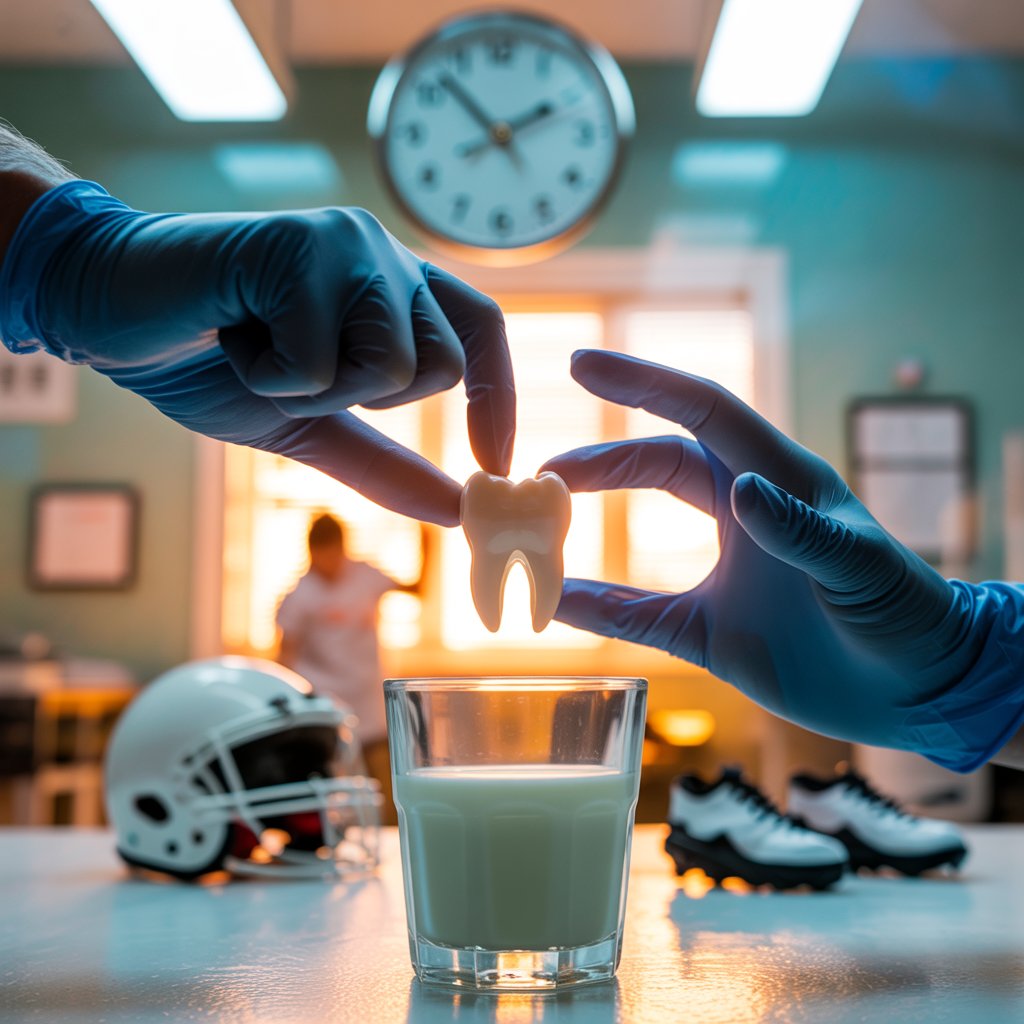
Call a dentist immediately. Handle the tooth by the crown, avoid touching the root, and keep it moist. If you cannot put it back into the socket easily, transport it in milk or a tooth-preservation solution. Bring it with you to the appointment.
Should I go to the emergency room for a dental emergency?
Seek emergency medical care right away if you have trouble breathing or swallowing, uncontrolled bleeding, or a serious facial injury. For an isolated tooth injury or toothache without those symptoms, call a dentist promptly for guidance.