Emergency Dentist Plano, TX: Care for Sudden Crown or Bridge Failure
A crown or bridge rarely fails at a convenient time. It comes loose during lunch, cracks while chewing, or slips off on a Friday evening when every small problem feels bigger. Patients often describe the same mix of frustration and worry: the tooth feels exposed, speech changes, eating becomes awkward, and there is a quiet fear that waiting too long will turn a manageable repair into something more serious.
When that happens, timing matters. A failed crown or bridge is not always a dramatic emergency in the way a severe infection or uncontrolled bleeding would be, but it often does need prompt attention. The underlying tooth may be vulnerable to decay, fracture, shifting pressure, or sensitivity. If the restoration has broken in a way that leaves a sharp edge or unstable bite, the risk goes up. In a busy area like Plano, where schedules are packed and people often try to “wait and see,” that delay can cost more tooth structure than most realize.
Patients searching for an Emergency dentist Plano, TX are often not just looking for speed. They want clear judgment. Is this something that can wait until tomorrow? Can the crown be reused? Will a bridge need to be remade? Is the pain coming from the restoration itself, or from the tooth, the nerve, or the gum around it? Those questions deserve practical answers, not vague reassurance.
Why crowns and bridges fail without much warning
Crowns and bridges are durable, but they are not permanent in the absolute sense. They live in a harsh environment. Teeth absorb thousands of chewing cycles every day. Many people clench at night without knowing it. Sticky foods place sideways force on cemented restorations. Old fillings under crowns can leak. Gum tissue changes shape over time. Even excellent dental work eventually meets wear, stress, and biology.
In practice, failure tends to fall into a few familiar patterns. A crown may loosen because the cement washed out over time, especially if the margin was already exposed by gum recession. A bridge can fracture if one supporting tooth weakens or if the porcelain takes a direct hit. Sometimes the crown itself is intact, but the tooth underneath has decayed and can no longer hold it. Other times the bite has been uneven for months, and one hard chew on a crust of bread or a popcorn kernel is all it takes.
Age matters, but not always in the way patients expect. A crown that has been in service for twelve or fifteen years may simply be reaching the end of its useful life. On the other hand, a newer crown can fail early if the fit was compromised, if the bite is heavy, or if the tooth had very little remaining structure to begin with. Bridges are particularly sensitive to support. They depend on neighboring teeth staying strong and stable. If one abutment tooth weakens, the whole unit is at risk.
There is also the human side of wear. People chew ice. They open packages with their teeth. They grind Emergency dentist Plano, TX through stressful work periods. They skip nightguards because they are uncomfortable. Dental materials are strong, but they are not magic.
What counts as urgent, and what can wait a few hours
Not every dislodged crown requires a middle of the night visit, but many deserve same day or next day care. The difference lies in symptoms and in what is visible.
If a crown comes off cleanly and the tooth underneath is not painful, some patients can keep the area protected for a short period while arranging prompt treatment. The situation changes if the tooth is sharp, visibly broken, very sensitive to air or temperature, bleeding around the gumline, or if the bite no longer fits together properly. A bridge that has partly detached but is still hanging on one side is especially troublesome. It can move, trap food, strain the supporting tooth, and create an aspiration hazard if it loosens further.
Pain is an important clue, but it is not the only one. A painless failure can still be urgent if a large amount of tooth structure is exposed. Front tooth restorations deserve special attention because appearance and speech are immediate concerns, but posterior teeth can be more dangerous to ignore. Molars take the heaviest force. When a crown comes off a back tooth that has already had root canal treatment, patients sometimes assume it is less urgent because the tooth is not sensitive. In fact, those teeth are often more brittle, and without crown protection they can crack in ways that make repair difficult or impossible.
A practical rule is simple: if a crown or bridge has become loose, broken, or detached, contact a dentist promptly. If there is swelling, severe pain, pus, fever, trauma, or difficulty swallowing, it moves into a more urgent category.
What to do before you get to the office
The hours between failure and treatment matter. The goal is to protect the tooth, protect the restoration if it can be reused, and avoid making the situation worse.
If the crown or bridge has come out, handle it gently and keep it. Rinse it with clean water, but do not scrub aggressively or soak it in harsh solutions. If there is blood or debris inside, a light rinse is enough. The dentist will need to examine both the restoration and the tooth to decide whether recementation is possible.
The exposed tooth should be kept clean. A gentle rinse with lukewarm water usually helps. If the tooth is sensitive, avoid very cold drinks and very hot foods. Chew on the opposite side if you can. Sticky candies, gum, crusty bread, nuts, and hard snacks are common ways patients turn a loose crown into a fractured tooth.
Temporary dental cement from a pharmacy can sometimes help hold a crown in place for a brief period, but judgment matters here. If the crown does not seat fully and passively, forcing it down can damage the tooth or lock it in the wrong position. Home glues are never appropriate. Super glue is not only toxic in the mouth, it can ruin the restoration and complicate emergency treatment. I have seen otherwise salvageable crowns become unusable because a well intentioned patient tried to “just stick it back on.”
If a bridge is loose, do not keep testing it with your tongue or fingers. Repeated motion can worsen the damage at the supporting teeth. If a fragment has sharp porcelain, orthodontic wax can sometimes cover the edge for comfort until you are seen.
Over the counter pain medication may help if you can take it safely, but pain relief is not treatment. When discomfort drops, people often delay care. That is when small repairs become larger ones.
What an emergency visit usually involves
Emergency dental care for crown or bridge failure is less mysterious than many patients fear. The first task is diagnosis. A dentist needs to know not just that the restoration failed, but why. Without that step, a quick fix may not last.
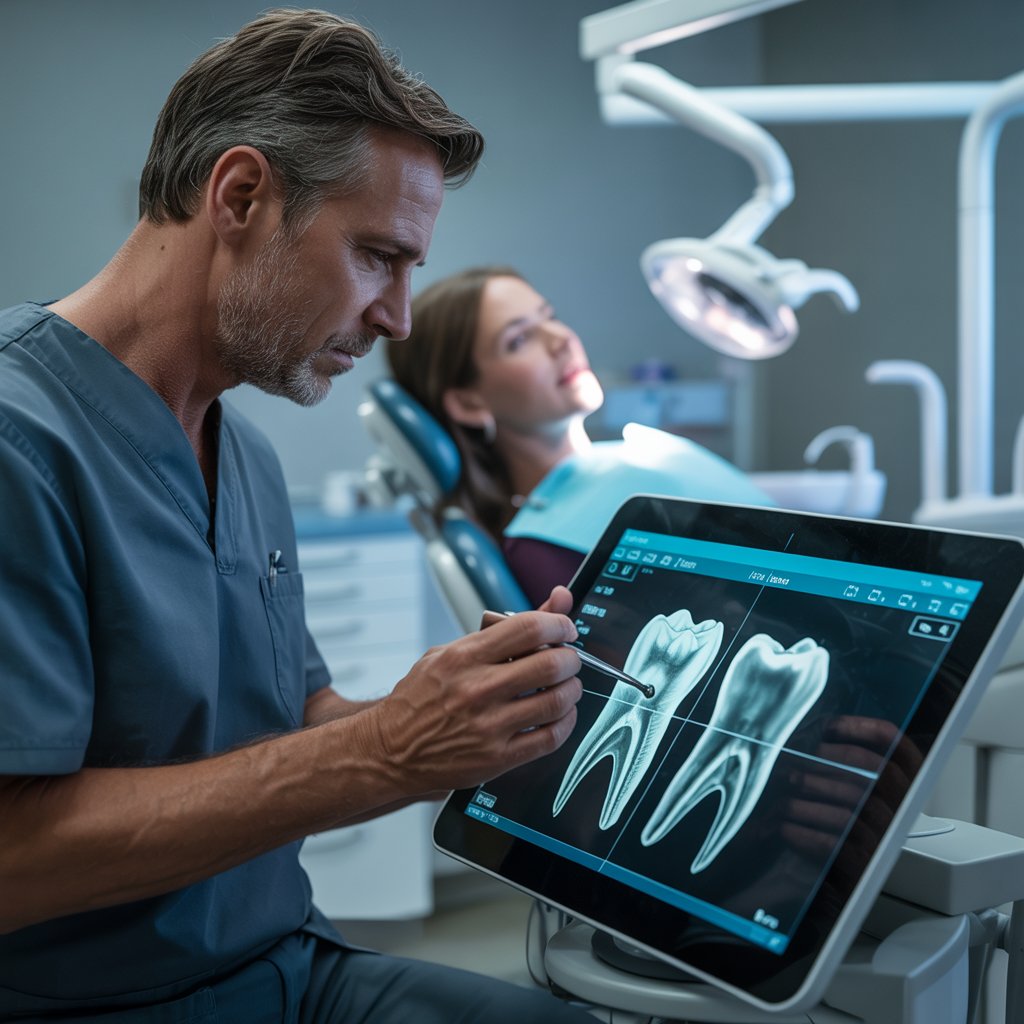
Expect the tooth and restoration to be examined closely. The dentist will check whether the crown margin is intact, whether there is recurrent decay, whether the tooth has fractured, and whether the gums around the area are inflamed. X rays are often useful because decay under a crown, root fractures, or problems around bridge abutments are not always visible from the outside.
From there, treatment typically falls into one of several paths. If the crown came off cleanly, the tooth is sound, and the fit remains accurate, recementation may be possible. This is the best case because it is conservative, fast, and cost effective. If the crown is intact but decay or a new fracture has changed the tooth shape, the dentist may need to remove damaged tissue and place a temporary restoration while a new crown is made. If the tooth structure is badly compromised, additional treatment such as a core buildup, post placement, root canal therapy, or extraction may have to be discussed. Bridges add another layer. A loose or broken bridge can sometimes be temporarily stabilized, but long term success depends on the condition of all the supporting teeth.
What patients often appreciate most in these visits is candor. Not every crown that comes off can simply be glued back on. Not every broken bridge should be repaired. Sometimes the honest answer is that the restoration has reached the end of the line, and trying to save it would waste time and money.
When a crown can be recemented, and when it cannot
This is one of the most common questions in emergency dentistry, and the answer depends on fit, tooth integrity, and cause of failure.
A crown has a chance of being reused when it remains structurally intact, seats fully on the tooth, and the underlying tooth is still shaped appropriately to retain it. If the inside of the crown is undistorted and there is no major decay, recementation can work well. That is especially true when the crown simply loosened after years of service and the margins remain clean.
The picture changes when the crown is cracked, the porcelain is chipped in a critical area, or the tooth underneath has broken. A crown that no longer fits precisely is not a candidate for recementation just because it “looks okay” from the outside. Dentistry works in fractions of a millimeter. Even a subtle mismatch at the margin can invite bacterial leakage and start the clock on a new failure.
Bridges are even less forgiving. If a bridge has detached because one abutment tooth decayed or fractured, simply recementing it may hide a serious problem rather than solve it. If the bridge framework itself is damaged, replacement is usually more predictable than patchwork repair.
I have seen cases where patients kept a loose crown in a drawer for months because the tooth did not hurt. By the time they came in, the unprotected tooth had shifted slightly, decay had progressed at the margin, and the original crown no longer fit. A problem that might have been solved in one appointment became a more expensive reconstruction. Teeth do not stay frozen in place while we think about them.
The special challenge of front teeth
A failed front crown or bridge carries an emotional weight that back teeth usually do not. Patients may have a meeting that afternoon, family photos that weekend, or a wedding in two days. They are worried about appearance, but also about speech. Even a small change in the contour behind the upper front teeth can alter certain sounds.
In these situations, emergency care often focuses first on protection and temporary restoration. If the original crown can be reused even short term, that may preserve appearance while a definitive plan is made. If it cannot, a well shaped temporary can be a very good bridge between the emergency and the final restoration. The quality of that temporary matters more than many patients realize. A poor temporary in the front can irritate the gum, distort the tissue shape, and make the final esthetic result harder to achieve.
There is also a social reality here. People are often embarrassed when a front tooth crown fails. They apologize, as if they did something wrong. Most of the time, they did not. Dental restorations age. Materials fatigue. Life happens. The priority is not blame. It is preserving the tooth and getting them back to function and confidence as quickly as possible.
Pain does not always mean what patients think it means
One tricky part of sudden crown or bridge failure is that the pain source can be misleading. A loose crown may cause temperature sensitivity because dentin is exposed. That type of pain tends to be sharp and brief, triggered by cold air or drinks. A deep ache or throbbing may point more toward nerve irritation, infection, or a bite problem. Gum tenderness around a bridge can come from trapped food, movement, or inflammation around a supporting tooth.
Patients sometimes assume that a crown on a root canal treated tooth cannot hurt. The crowned tooth may not have a live nerve, but surrounding structures certainly do. The ligament around the root can become inflamed if the bite is high or if there is pressure from a loose restoration. Adjacent teeth can also become sore when chewing forces shift suddenly.
This is one reason a careful exam matters more than guesswork. The goal is not just to stop pain today, but to identify the tissue that is actually in trouble.
Why delays become expensive
Dental damage tends to compound. A crown that falls off on Thursday may still seem manageable on Monday, but every day the tooth remains exposed, risks increase. Food and bacteria collect more easily. A thin wall of tooth can chip under normal chewing. Teeth can drift slightly, enough to make an old crown no longer seat. If the bite becomes unbalanced, jaw soreness and headaches sometimes follow.
There is also an economic reality. Recementing a crown, when appropriate, is simpler and less expensive than replacing it. Replacing a crown is generally simpler and less expensive than replacing a crown after the tooth has fractured below the gumline. Once a tooth becomes nonrestorable, the conversation may shift toward extraction, implant treatment, or a more complex bridge. Those are worthwhile options when needed, but few patients choose them because they ignored a small problem on purpose. More often, they underestimated how quickly teeth can deteriorate when unprotected.
For anyone searching for an Emergency dentist Plano, TX, this is often the real benefit of prompt care. Speed is not only about comfort. It preserves options.
What good emergency dental judgment looks like
Patients often worry that emergency appointments are rushed, or that they will be pushed into treatment without enough explanation. A strong emergency evaluation should feel focused but not careless. The dentist should explain whether the restoration is salvageable, what risks exist if treatment is delayed, and what the short term and long term plans are.
That plan may not always be definitive in one visit. Sometimes the right move is to stabilize the tooth, control pain, place a temporary, and return after the tissue settles or after a lab case is made. That is not incomplete care. It is often the most responsible approach. Dentistry works best when urgency and precision stay in balance.
A thoughtful dentist also considers the reason the problem happened. If a patient fractures crowns repeatedly, the conversation should include grinding, bite force, and nightguard use. If bridges keep failing around gum disease or decay, long term maintenance has to be part of the plan. Replacing a restoration without addressing the cause is a recipe for repeat emergencies.
How to lower the odds of another surprise
Once a crown or bridge has failed, prevention becomes easier to discuss because the consequences are no longer theoretical. Most patients become much more attentive after one inconvenient weekend with a loose molar.
Routine maintenance helps, but specifics matter. Small margin leaks are often discovered on regular exams before the crown falls off. Professional cleanings reduce the inflammation that can expose margins. Nightguards protect expensive dental work from clenching and grinding. Patients with bridges benefit from learning the right cleaning tools for beneath the pontic and around abutment teeth. That area is one of the most commonly neglected sites in home care, not from laziness, but because many people were never shown how to clean it properly.
Food habits count too. Very sticky caramels, hard ice, popcorn kernels, and using teeth as tools create an outsized share of avoidable breakage. None of this guarantees a restoration will last forever, but it shifts the odds in your favor.
When to call right away
A failed restoration deserves prompt attention, but certain signs should move you to the phone without delay: significant swelling, severe or escalating pain, a loose bridge that could detach fully, trauma to the mouth, bleeding that does not stop, fever, or a bad taste with drainage near the tooth. These are situations where the issue may be larger than a crown alone.
Even without those red flags, a same day or next day call is wise. Dental offices that provide emergency care are used to these scenarios. They can often tell you how to protect the area before you arrive and whether to bring the crown or bridge, which you should.
Sudden crown or bridge failure is disruptive, but it is usually manageable when handled promptly and correctly. The key is not to minimize it just because it seems mechanical. Restorations fail in the mouth, not on a countertop. Under every crown and bridge is living tissue, vulnerable tooth structure, and a bite system that depends on precise balance. When that balance is lost, swift, informed care makes all the difference.
Vitality Dental
1220 Coit Rd # 106, Plano, TX 75075, United States
+1 972-645-4100
FAQ About Emergency dentist Plano, TX
Will the ER do anything for dental pain?
An emergency department can assess urgent symptoms and provide medical stabilization. Definitive treatment of the tooth usually requires a dentist. Seek emergency medical care for breathing or swallowing difficulty, uncontrolled bleeding, or serious facial injury.
What to do if I have a dental emergency in the middle of the night?
Contact a dentist or after-hours dental service promptly for guidance. If a permanent tooth is knocked out, keep it moist in milk while seeking immediate care. If symptoms suggest a medical emergency, go to an emergency department.
What qualifies as a dental emergency?
A knocked-out permanent tooth, severe or persistent tooth pain, a significant dental injury, or swelling may require urgent dental assessment. Call a dentist to describe the symptoms and determine timing. Uncontrolled bleeding or difficulty breathing or swallowing requires emergency medical care.